



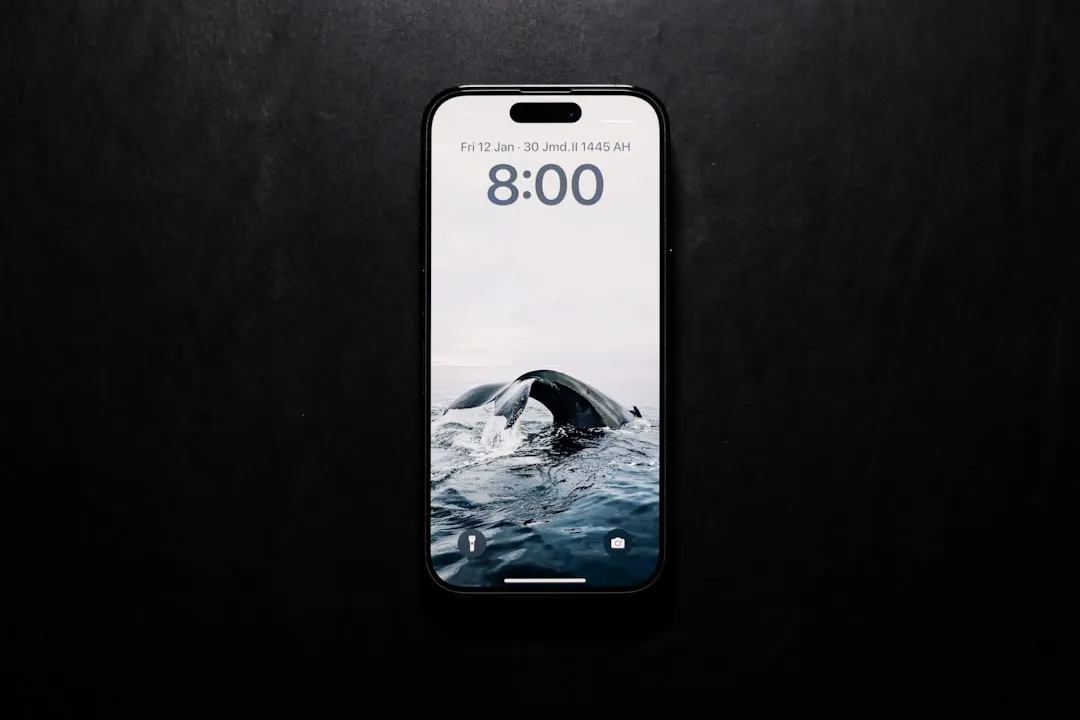
A new analyst note has reframed one of the more persistent Apple rumors of the past year. Rather than marking the iPhone's 20th anniversary with a standalone commemorative device, Apple is reportedly planning to channel that milestone into a radical overhaul of its mainstream Pro and Pro Max lineup. If the reporting holds, the 2027 iPhone Pro redesign would not be something most people admire from a distance — it would become the new baseline for Apple's flagship tier.
Analyst Jeff Pu's note, cited by 9to5Mac on May 1, 2026, expects Apple to shift the 20th-anniversary redesign toward the Pro and Pro Max models, with a four-edge curved display and under-display camera work still ongoing. That framing broadly aligns with earlier reporting from Bloomberg's Mark Gurman, as summarized by The Verge, that Apple was preparing a mostly glass, curved anniversary iPhone, though the exact model structure remains unsettled.
The reporting on redesign direction is the stronger signal here. Specific branding and optical mechanism details are considerably more speculative, sourced largely from leaker social posts rather than supply chain documentation.
Why the Pro models matter
Earlier 9to5Mac roadmap coverage in March 2026 described a distinct "iPhone 20" arriving in fall 2027 alongside other models, implying a separate anniversary device that could sit above the regular Pro line.
Pu's note reframes that picture. The anniversary design, per 9to5Mac, is intended for the Pro and Pro Max themselves, not a standalone model. Gurman's earlier Bloomberg reporting is consistent enough with that framing to treat Pro-line positioning as the current weight of the evidence, even if the exact product structure isn't settled.
The practical shift matters. A Pro-line redesign would reset the standard for Apple's core flagship lineup, not just create a one-off anniversary device. If the reporting is accurate, the 20th anniversary would function less as a limited-run showcase and more as a deadline for Apple's most significant Pro hardware changes in years.
The reported display change
The central hardware claim: Apple is reportedly developing a display that curves around all four edges at equal depth, creating the visual impression of a near-absent bezel. MacRumors reported on April 24 that Apple is working with Samsung on a custom micro-curved OLED panel for the anniversary iPhone.
Leaker Ice Universe has claimed that the design is not a rehash of older curved Android screens. "It is not a traditional quad-curved display, nor is it anything like the curved screen solutions we have seen on Android phones over the years," the leaker wrote in an X post cited by MacRumors. What's reportedly planned here relies on subtle curvature combined with optical refraction and light-guiding structures to push the bezel out of the viewer's sightline rather than wrapping the image dramatically around the edge.
The panel-technology claims have more supply-chain framing than the branding and optical-mechanism details. Apple is reportedly planning to use Samsung's COE, or Color Filter on Encapsulation, OLED technology for the display, per MacRumors. COE places the color filter layer directly on the encapsulation layer rather than on a separate substrate, reducing the display stack. The reported result is a thinner, brighter panel than current iPhone displays.
The "Liquid Glass Display" branding that's been floated connecting the hardware to Apple's recent software interface direction comes from leaker social posts, not trademark filings or supply chain documents, per MacRumors and 9to5Mac. Treat it as a plausible guess about Apple's marketing direction, not confirmed nomenclature.
It's also worth noting what the current reporting doesn't address. A quad-curved, nearly bezel-free panel would change more than the phone's look. It affects one-handed grip, accidental edge inputs, screen protector compatibility, drop durability, and repairability. None of those practical questions have been touched by the rumor cycle yet.
A newer ETNews report cited by MacRumors adds another reason to treat the 2027 design as a first step rather than a finished endpoint. Apple is reportedly already planning a second-generation four-edge bending OLED display for 2028 using indium zinc oxide, or IZO, instead of the magnesium-silver setup reported for the first version. The reported goal is to reduce distortion, brightness loss, and heat issues around the curved edges, suggesting the first 2027 implementation may still involve display tradeoffs.
The under-display camera problem
Apple reportedly wants no visible cutouts on the 2027 front panel, with both Face ID sensors and the selfie camera hidden beneath the display, per MacRumors. Getting there is not guaranteed.
Display analyst Ross Young says under-display Face ID will not be production-ready for a 2027 iPhone, while other leakers disagree. MacRumors described that split in late April, and Pu's note characterizes the under-display front camera work as ongoing rather than resolved, per 9to5Mac. The disagreement matters because under-display camera systems need enough transparency for imaging while still preserving normal display quality.
One reported intermediate outcome would be under-display Face ID paired with a small hole-punch cutout for the selfie camera, per MacRumors. That's a meaningful step forward, but it also means the bezel-free iPhone Pro rumor ships with at least one visible compromise.
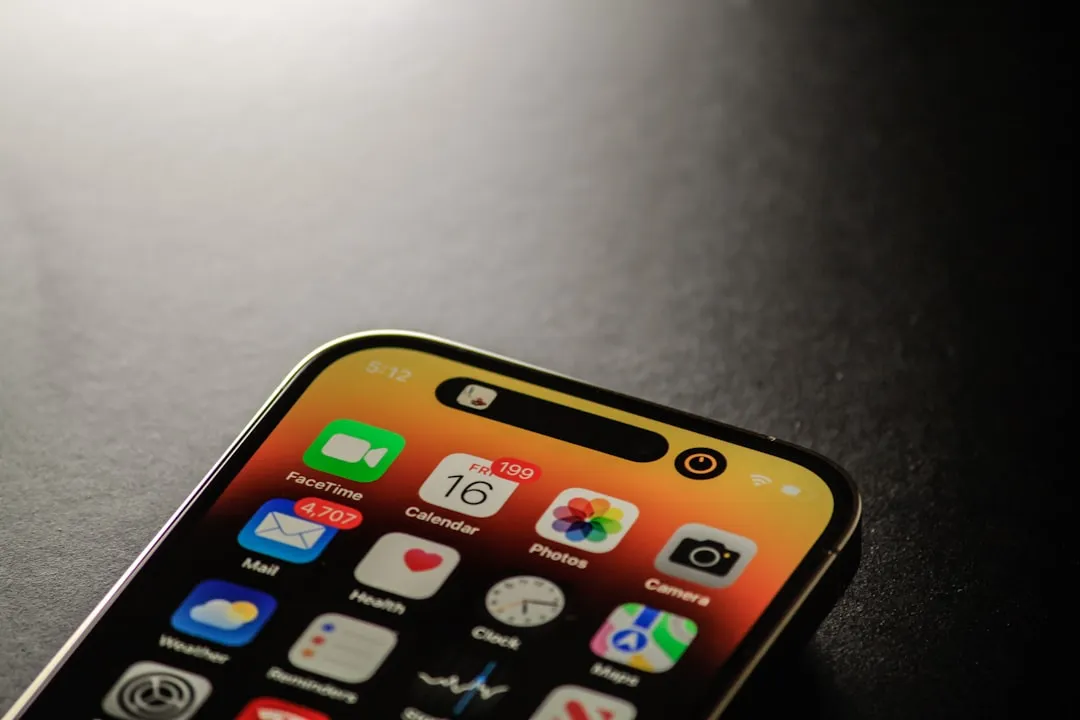
The iPhone 18 Pro, expected in fall 2026, suggests Apple may be running a deliberate two-year sequence. Alleged prototype images and screen protectors reported by MacRumors on April 15 point to a smaller Dynamic Island, while a January report cited a leaker's claim that the cutout could be roughly 35% narrower than on the iPhone 17 Pro. Bezels on the iPhone 18 line, however, are still rumored to remain similar to the iPhone 16 and iPhone 17 series. The implied sequence is straightforward: 2026 reduces the cutout; 2027 attacks the bezel. That's a coherent approach, but it puts the harder engineering problems in the second year.
What to watch next
The current reporting points to the iPhone Pro and Pro Max as the likely vehicles for Apple's most significant iPhone redesign in years. The best-grounded hardware claim is a Samsung-supplied, micro-curved COE OLED panel. The "Liquid Glass Display" name, the specific optical mechanism, and whether under-display cameras are production-ready by fall 2027 remain open questions.
Three signals will matter through the rest of 2026. First, watch for Samsung COE OLED yield reports, because panel technology that works in testing and panel technology that survives mass production are different things. Second, look for supply-chain reporting that under-display Face ID components have entered qualification testing. Third, watch whether the iPhone 18 Pro ships in fall 2026 with a smaller Dynamic Island or a more aggressive under-display Face ID setup. The more Apple moves under the display in 2026, the more credible the reported 2027 all-screen direction becomes.







Comments
Be the first, drop a comment!